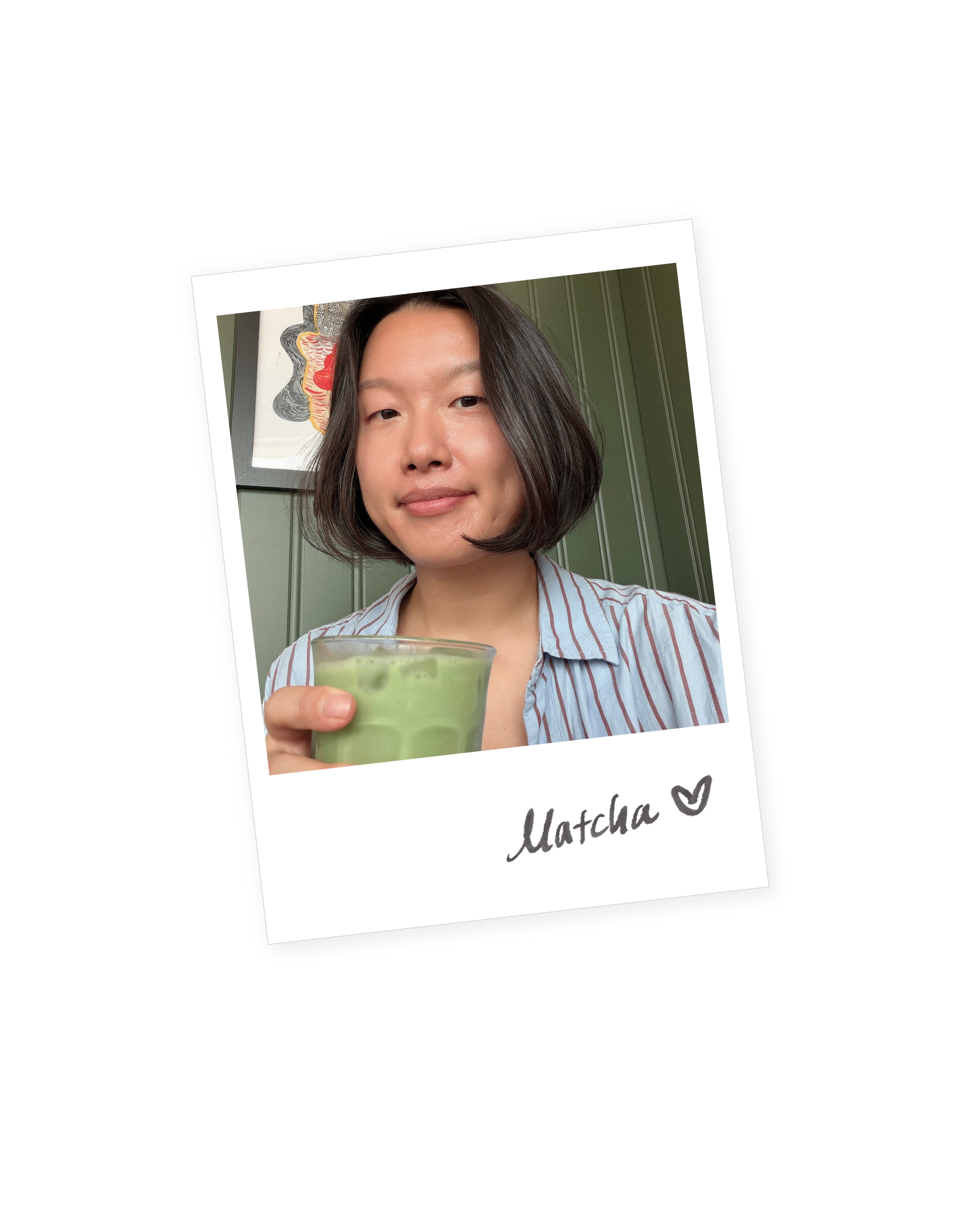
Sharon Byun portrait

About

I move between the big question
and the fine detail
without losing either.

I came to product design through print: a decade of annual reports, luxury invitations, and event materials that had to be right the first time, because there was no pushing an update after it went to press.

That instinct stuck: I can't separate craft from strategy, or strategy from execution. Today that means enterprise workflows, growth systems, and platform integrations across iOS and web, always close to product and engineering, always aiming for clear, empathetic, a little delightful.

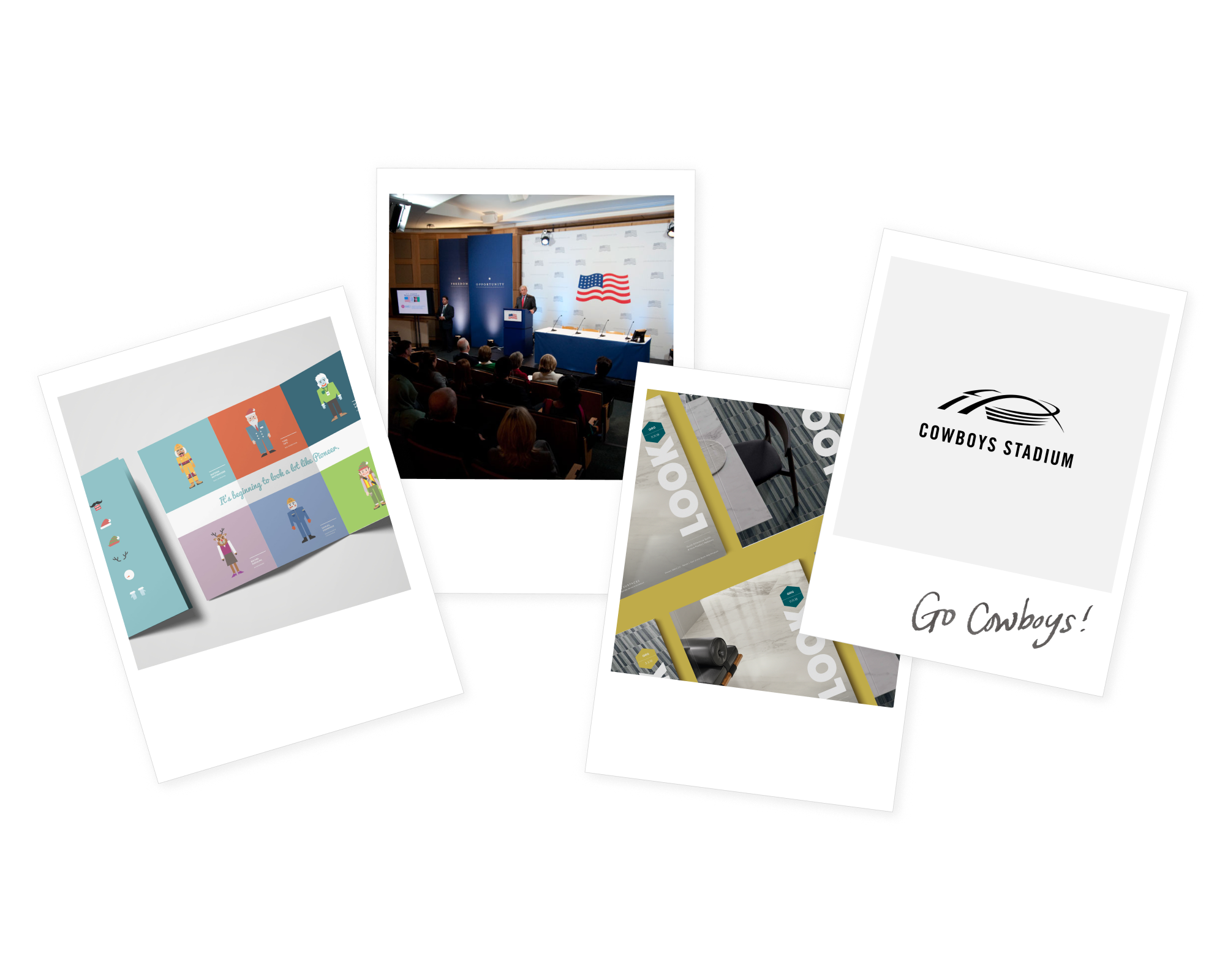
Selected print and brand work from a decade as an art director

Chapter One

Art Director, Print & Brand

Ten years designing for print: annual reports, luxury invitations, event materials, brand systems.

That's where the conviction took hold: hierarchy, proportion, and craft aren't decorative choices. They're how information communicates.

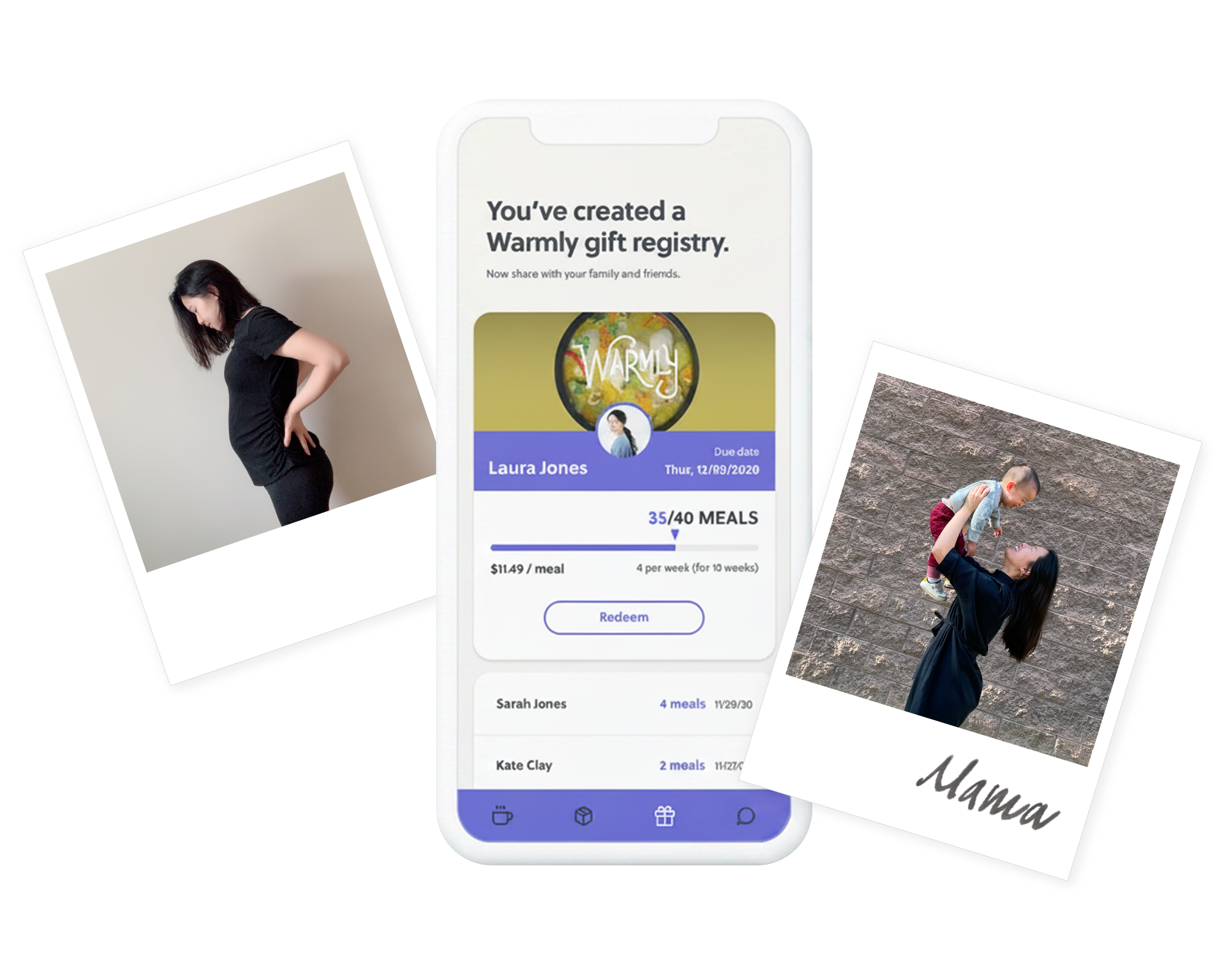
Brandcenter era — pregnancy, the Warmly grad-school project, and early motherhood

Chapter Two

MFA, Experience Design — VCU Brandcenter

After a decade of making things look right, I started asking whether they actually worked for the people using them. That question led me to UX, prototyping, systems thinking, and to grad school.

I enrolled at VCU Brandcenter 24 weeks pregnant, became the program's first new mother, and hit COVID in my second semester.

What that period taught me about working under constraint, finding clarity in chaos, and moving forward without a map: I use it every single day.

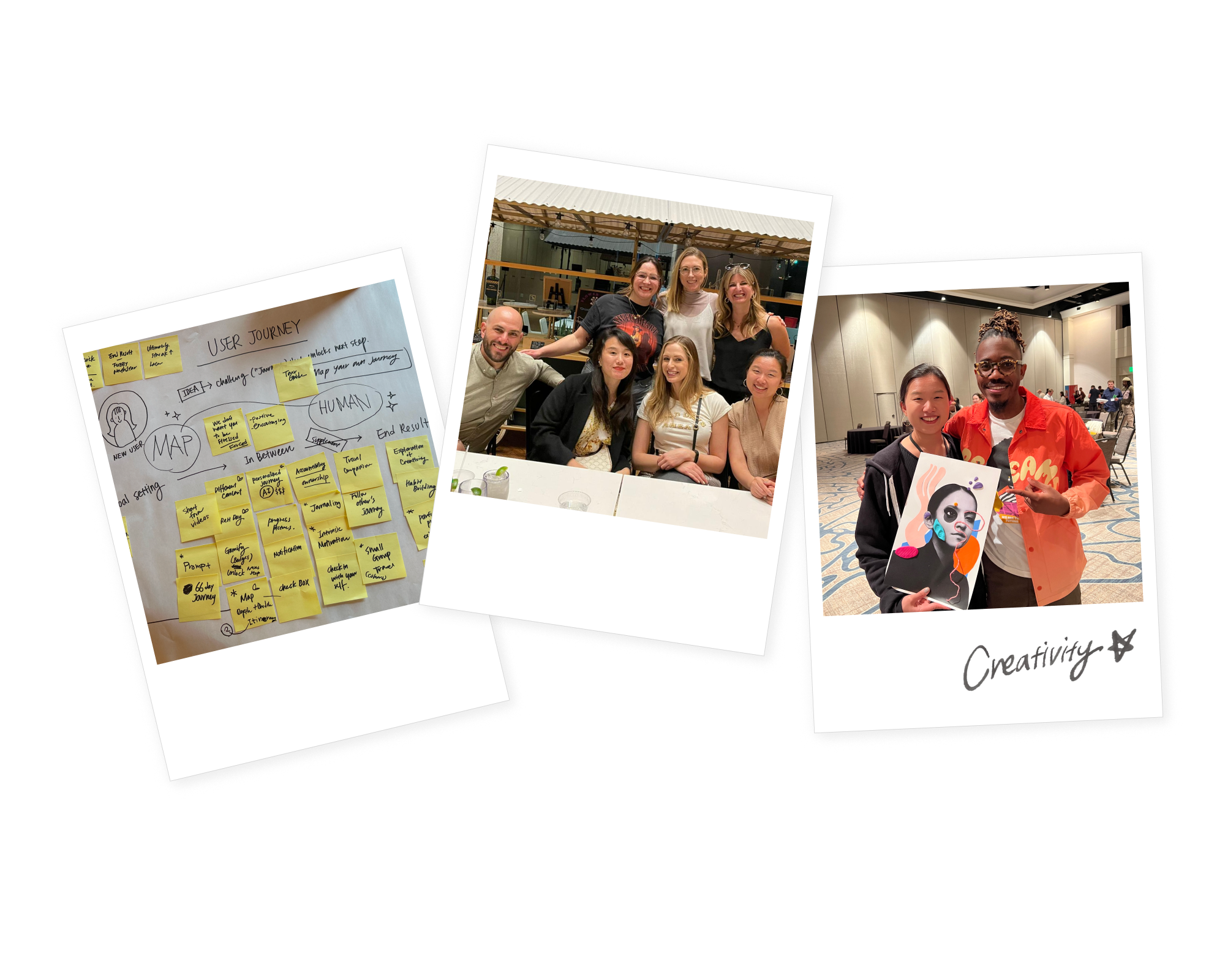
Skillshare era — journey mapping, team, and conference moments

Chapter Three

Senior Product Designer — Skillshare

Skillshare is where I grew up as a designer: intern to Senior Product Designer leading the pod, the kind of trajectory only a genuinely good team makes possible.

I worked closely with product, engineering, legal, teacher support, customer support, and brand, learning to communicate across very different contexts and still move work forward.

The product was genuinely complex: a learning marketplace with subscription mechanics, an M&A integration, systems where one change rippled everywhere. I learned to love that kind of problem, and shipped the Certifications & Badges system that drove a +89% increase in project submissions, plus the Creator Hub integration after the Superpeer acquisition.

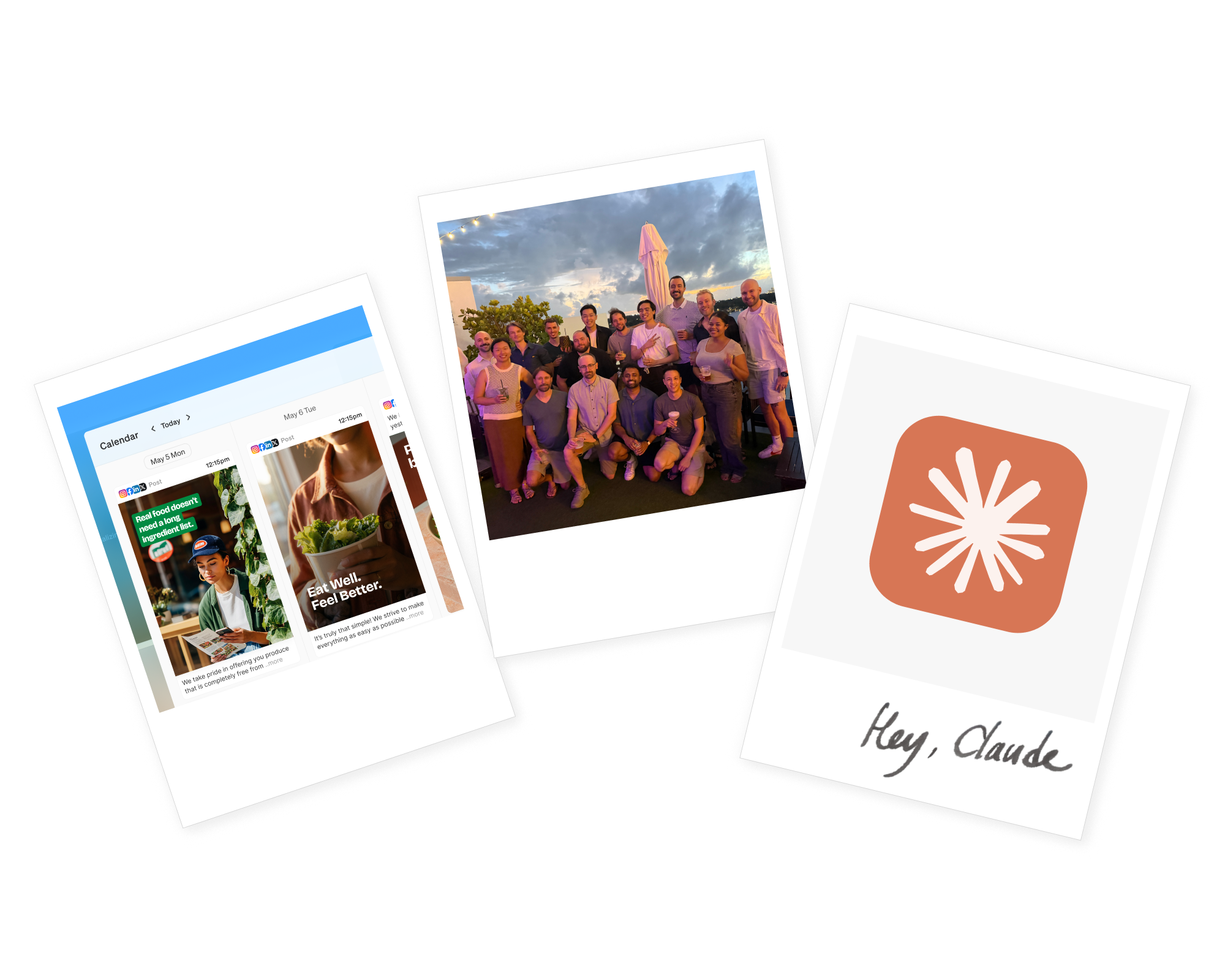
Blaze AI era — product work, the team, and the Blaze app icon

Chapter Four

Senior Product Designer — Blaze AI

Joined Blaze as the second designer at a Series A AI startup, curious how a small team moves fast in AI and how design itself could work differently.

I used AI at every stage (research, prototyping, iteration), moving away from static files toward something more fluid and exploratory, staying close to the internal team who used the product daily.

I worked across growth projects: pricing tiers, freemium flows, and credits. I established the iOS design system, and I led the enterprise approval workflow, a feature that had to hold together everything the company was simultaneously experimenting with.

Design Principles

01

Clarity over cleverness.

A design that makes someone think "of course" beats one that makes them think "impressive." Clarity isn't instinct. It comes from context: research, competitive analysis, behavioral data. The more I understand the person on the other side, the more inevitable the right answer becomes.

02

The messy middle is the work.

The polished screen is the last 10%. The real work is the ambiguity, the constraint, the conversation no one wanted to have. Tools change and AI moves fast, but the judgment you bring to that middle part is still yours.

03

Aesthetics are not decoration.

How something looks shapes how it feels to use. Visual craft and UX rigor are the same decision, not separate ones. Get both right, and people don't notice either. They just feel like they're in good hands.

Get in touch

Let's work on something worth making.